
The heart and standards behind the nursing profession
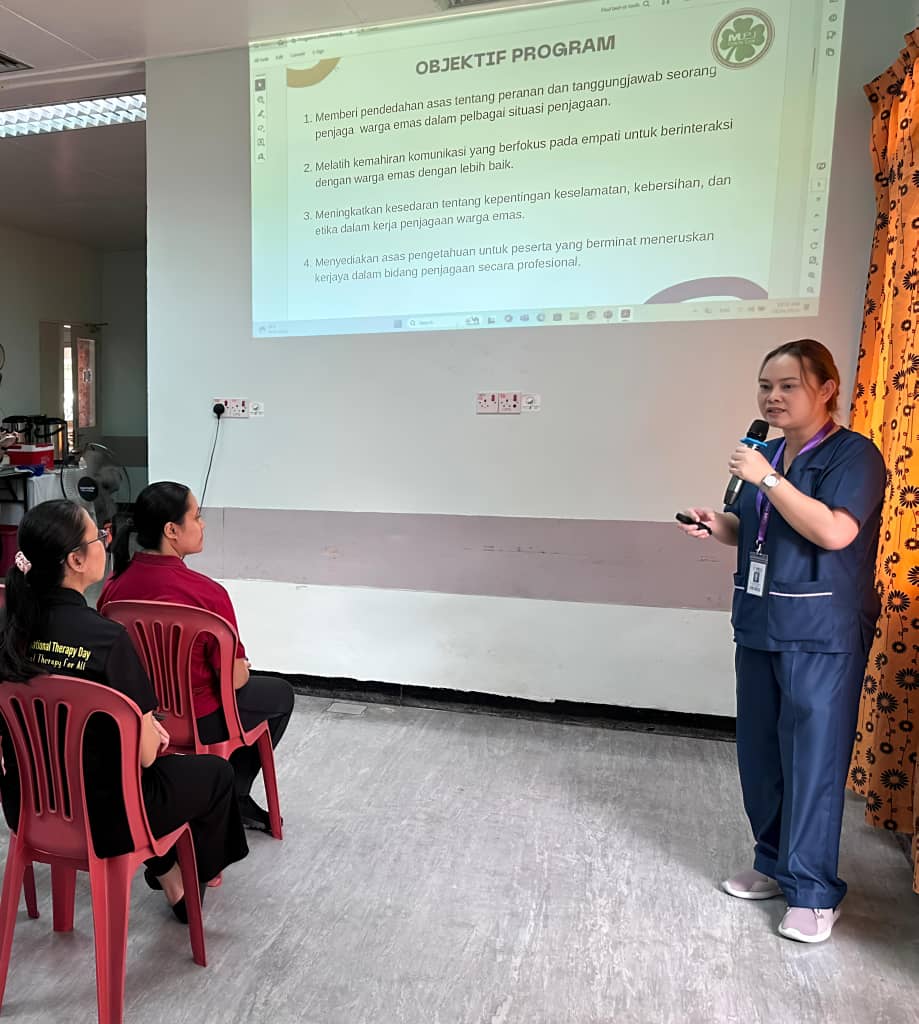
At that time, Suzanna was not even a nurse yet. She had just enrolled in a Diploma in Nursing under a scholarship, and that was her first clinical attachment.
“It was my first semester, and we only did basic nursing, like changing bedsheets, checking vital signs, checking blood pressure, and so forth. This patient was so kind to me. Before she passed away, she wrote a letter to me, thanking me and sharing how she believed that I could go far.
“I fell in love with this profession. I believe many people can become nurses, but not everyone can be a good nurse. For me, I was meant to be a nurse. That really moved me. As nurses, we are touching people’s lives, and they touch our lives too,” she said.
Suzanna never considered herself a good nurse, but her pursuit of a nursing career was driven by passion and commitment.
Not easy to be a nurse
Studying to become a nurse was not easy. It was challenging during her time and continues to be challenging today, as every nurse trainee must go through rigorous training.
Because nursing is a medical profession, it requires both practical skills and strong theoretical knowledge. Suzanna said it is not just about having the skills to care for patients, but, like doctors, nurses must be able to provide a rationale for every action they take. They must have the capability to identify what is normal and abnormal in a patient’s condition.
“For example, what are the signs of respiratory arrest? We must know how to assess patients. When doctors are not around, we are the ones to screen the patient, so recognising symptoms is important,” she said.
According to her, the core curriculum for the Diploma in Nursing is standardised nationwide. It is regulated by the Malaysian Nursing Board (MNB) and adheres to the standards and criteria set by the Malaysian Qualifications Agency (MQA).
Under the regulations, students are taught foundational knowledge, including basic nursing skills, before progressing to specialised areas such as medical-surgical nursing, orthopaedics, paediatrics, obstetrics and gynaecology, emergency nursing, intensive care, and so forth. To ensure competency, students must undergo the Objective Structured Clinical Examination (OSCE).
There is also a clinical attachment every semester. In medication administration, although students do not study as deeply as pharmacy students, they are taught formulas to calculate correct dosages and ensure accuracy.
With her determination and hard work, she finally graduated in nursing in 2005 and was attached to a private hospital in Selangor. Five years later, in 2010, she joined King Faisal Specialist Hospital and Research Centre in Riyadh, Saudi Arabia. Throughout her career, she worked in operating theatres as a scrub nurse, as well as in surgical urology, orthopaedics, neurosurgery, neuroscience, and epilepsy units.
Transitioning to nursing education
She returned to Sibu after five years of service in Saudi Arabia and took a short break before transitioning into nursing education in 2019. She also pursued her degree in nursing and a post-basic specialisation in gerontology nursing. She is also an HRD Corp certified trainer.
This decision to transition was made because she felt that it was time to give back to the profession as an educator. With many years of clinical practice, she believed she had valuable knowledge and experience to share with younger nurses. This also aligned with her passion for teaching and lifelong learning.
In 2025, she joined Methodist Pilley Institute (MPI) as a lecturer and clinical instructor for the upcoming Diploma in Nursing programme. The first class will begin this year on April 27 in response to the nationwide shortage of nurses. To address this shortage, the Ministry of Health (MoH) has eased entry requirements for Sijil Pelajaran Malaysia (SPM) leavers, reducing the credit requirement from five subjects to three, effective from January 2025 to December 2026.
The required subjects include Bahasa Melayu, Mathematics (Elementary/Modern/Additional), and Science (Chemistry/Physics/Biology/Applied/Additional).
No shortcuts to nursing
While Suzanna welcomed the government’s initiative, she acknowledged that it may pose challenges for students.
“I foresee it that way, yes. It will be a challenge, so as educators, we need to be prepared. Of course, it also challenges us to ensure that these students can cope with the study and are ready for the workforce once they graduate.
“Once graduated, some students may work in hospitals, while others may take up nursing jobs elsewhere. We need to make sure that they build the necessary knowledge and skills,” she said.
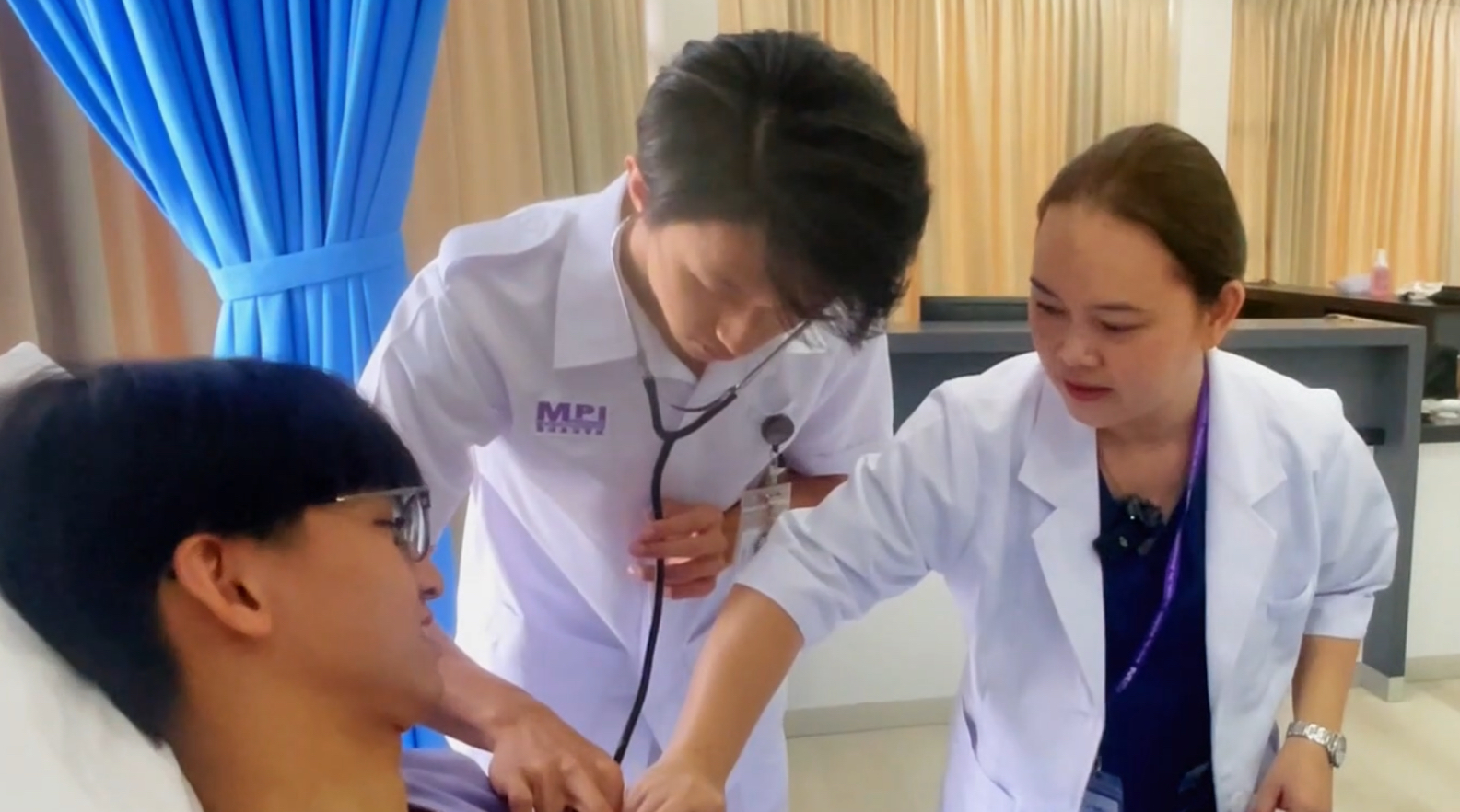
She said MPI aims to nurture competent and compassionate nurses who will provide quality healthcare services locally and internationally through its Diploma in Nursing programme. According to her, MPI’s Diploma in Nursing is globally recognised. By adhering to the guidelines accredited by MQA and MNB, MPI is on the right track to producing high-quality future nurses.
“We will teach in the same way as other colleges, following the guidelines given to us. In nursing, there is no shortcut to passing – students must learn the proper way. Even lecturers and clinical instructors are screened, and our teaching permit applications must be approved by the MNB to ensure quality and compliance for the institution and individuals involved in nursing training,” she explained.
She also shared that all MPI lecturers and clinical instructors undergo Continuing Professional Development (CPD) to stay updated with the latest healthcare advancements.
Although there is no shortcut to becoming a competent nurse, today’s students have access to vast information due to the internet and advancements in technology and society. When she was pursuing her diploma, access to the internet, information, and computers was limited. For clinical attachments, she had to rotate through several hospitals.
Today, MPI’s Nursing Simulation Laboratory is fully equipped with comprehensive facilities to support students’ learning. In addition, Sibu Hospital now offers quite a complete facility, eliminating the need to send students elsewhere for clinical training.
As someone who has worked in both private hospitals in Malaysia and overseas, Suzanna said the Diploma in Nursing offers excellent career opportunities, as nursing is the largest health profession. However, despite its size, it is experiencing a global shortage. The World Health Organisation estimates a shortage of 4.5 million nurses by 2030. Nevertheless, Suzanna advised aspiring nurses to gain several years of experience in Malaysia before seeking employment overseas.
Male nurses are valuable and needed
While nursing has historically been a female-dominated profession, more men are joining the field today. Male nurses are valuable because they bring diverse skills and can offer gender-specific comfort for certain patients. Suzanna also believes that the stereotype that nursing is only for women should be eliminated. During her degree programme, she conducted research on gender equality in nursing, which showed that nursing is still perceived as a feminine profession.
“I think men can be very good nurses. We require male nurses, especially in specialised departments such as emergency and trauma.
“The operating theatre needs more manpower to lift and transfer patients, and so forth. Male nurses can help fill the gap in other departments,” she pointed out.
Although more men are joining the nursing profession, in Malaysia there are still limitations, as some patients – especially female patients – prefer female nurses and may feel uncomfortable with male nurses. Her research also showed that some male nurses experienced discrimination from staff. However, as times have changed, male nurses today are increasingly valued for the different skill sets they bring to various departments.
Malaysian nurses are valuable
According to Suzanna, Malaysian nurses are highly valued and in strong demand globally because of their quality and attitude. Malaysian nurses are well trained and perform well abroad. She said only students who pass the MNB examination can obtain a Diploma in Nursing and become registered nurses. She added that the MNB examination is the highest assessment that all nurse trainees must pass before graduating.
“Therefore, it is very important for us to maintain this standard,” she said. With that in mind, she reiterated the importance of producing competent and compassionate nurses at MPI. For Suzanna, when she applied to work in Saudi Arabia, her most valuable asset was her skills.
The same opportunity can happen for every nurse, but it must begin with commitment and compassion.